Sell Gold Coins for Cash:
What to Know Before You Sell
Gold coins can be valuable for their precious-metal content, their collectible value or a combination of both. Before selling a gold coin, it is important to understand what type of coin you have, which characteristics may affect its value and whether the buyer has experience evaluating both bullion and numismatic coins.
Sell Your Gold purchases domestic and foreign gold coins, including bullion, proof, commemorative, graded and pre-1933 U.S. gold coins. You can review the complete list of gold and silver coins we buy before requesting an appraisal.
IN SHORT A gold coin's value may come from the gold it contains, its collectible characteristics or both. The right buyer should evaluate each of those factors before calculating an offer.
What Determines the Value of a Gold Coin?
There is no single price that applies to every gold coin. A professional evaluation may consider several factors.
Gold Content and Purity
For gold coins, the value of their fine gold content is one of the primary factors used to determine precious-metal value.
Some gold coins, such as the American Gold Buffalo and Canadian Gold Maple Leaf, are produced from high-purity gold. Others, including the American Gold Eagle and South African Krugerrand, are made from a more durable 22-karat alloy but still contain a specified weight of pure gold.
It is important to distinguish between a coin's total weight and its fine-gold weight. A one-ounce 22-karat bullion coin may weigh more than one troy ounce overall because it contains additional alloying metals while still providing one full troy ounce of pure gold.
Current Gold Price
The current gold market price helps establish the value of a coin's precious-metal content. However, the spot price of gold is not necessarily the amount a buyer will offer for the coin.
An offer may also reflect testing, authentication, processing and resale considerations, as well as any collectible value associated with the coin.
Learn more about how Sell Your Gold calculates an offer.
Coin Type, Date and Mint Mark
The type of coin, year of issue and mint mark can influence its value. Certain dates or mint marks may be scarcer or more desirable to collectors than others.
Two coins with the same weight and gold purity can therefore receive different offers if one has additional collector demand.
Condition and Professional Grade
Condition can be especially important for collectible or numismatic coins. Evaluators may look at characteristics such as:
- Wear
- Scratches or marks
- Luster
- Strike quality
- Surface preservation
- Evidence of cleaning or alteration
- Professional certification and grade
Coins certified by established grading services such as ANACS, NGC or PCGS should generally remain in their original holders.
Rarity and Collector Demand
A coin may be worth more than its gold content when collectors are willing to pay an additional premium based on rarity, historical significance, condition or demand.
That premium can change over time as market demand and coin availability change.
Bullion Coins vs. Numismatic Gold Coins
Gold coins generally fall into two broad categories.
| Type of coin | Primary value factors |
|---|---|
| Bullion coin | Fine-gold content, current gold price, authenticity and market demand |
| Numismatic coin | Rarity, date, mint mark, condition, grade, historical significance and collector demand, in addition to gold content |
Bullion coins are produced primarily as a way to own precious metals. Their market value is generally connected closely to the value of the gold they contain, although recognized coins may also carry a premium.
Numismatic coins are collectible coins that may be worth more than their precious-metal content. Pre-1933 U.S. gold coins, rare dates, low-mintage issues and professionally graded coins are examples that may require additional evaluation.
A bullion coin can also develop collectible value. The terms are not always mutually exclusive, which is why a complete evaluation should consider more than weight and purity alone.
If you have bars, rounds or other investment-grade precious metals in addition to coins, visit our guide to selling gold, silver and platinum bullion.
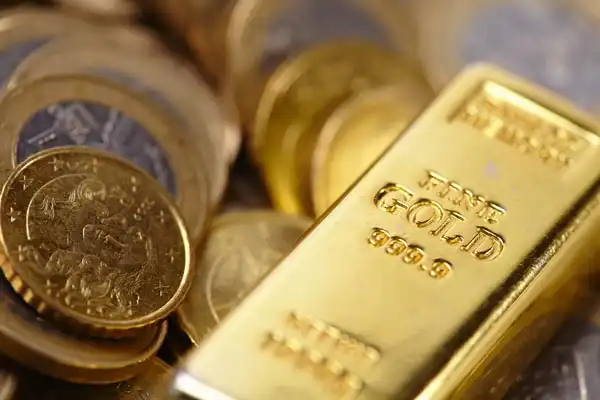
Common Gold Coins You Can Sell
Sell Your Gold evaluates many domestic and foreign gold coins, including:
- American Gold Eagles
- American Gold Buffalos
- Canadian Gold Maple Leafs
- South African Krugerrands
- Chinese Gold Pandas
- Austrian Gold Philharmonics
- British Gold Britannias
- Australian Gold Kangaroos
- Pre-1933 U.S. gold coins
- Liberty Head gold coins
- Indian Head gold coins
- Saint-Gaudens Double Eagles
- Gold commemorative coins
- Proof and professionally graded gold coins
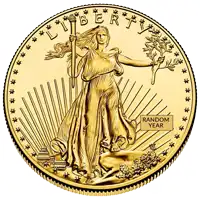
American Gold Eagles
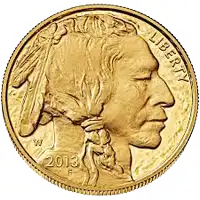
American Gold Buffalos
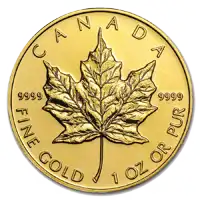
Canadian Gold Maple Leafs
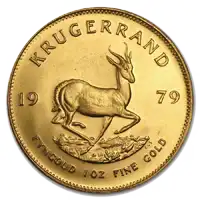
South African Krugerrands
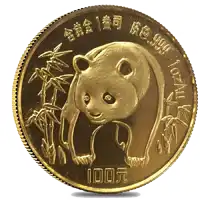
Chinese Gold Pandas
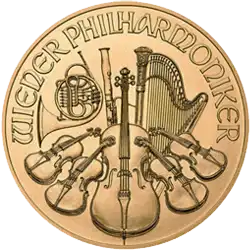
Austrian Gold Philharmonics
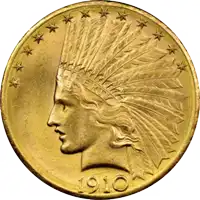
Indian Head gold coins
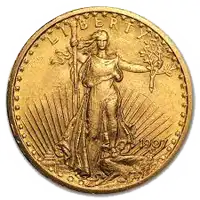
Saint-Gaudens Double Eagles
Not every coin within a series has the same purity, weight or collectible value. Year, version, condition and authenticity should be confirmed before an offer is calculated.
Should You Clean Gold Coins Before Selling Them?
Do not polish or aggressively clean a gold coin before having it evaluated.
Cleaning can leave scratches, change the coin's surface or remove its original luster. For certain collectible coins, this can reduce numismatic value.
You should also avoid:
- Removing a professionally graded coin from its holder
- Testing the coin with acid yourself
- Filing or scratching the coin to inspect the metal
- Attempting to repair damage
- Separating a coin from its original packaging or documentation
If you have certificates, receipts, grading records or original Mint packaging, keep them with the coin when possible. These materials may help identify the coin, although they do not replace professional authentication.
How to Choose a Gold Coin Buyer
Before selling gold coins, determine whether the buyer can evaluate both precious-metal content and potential collectible value.
Consider:
- Coin and precious-metal appraisal experience
- Authentication and testing capabilities
- Whether date, mint mark, grade and rarity are considered
- Customer reviews and business reputation
- Shipping and insurance protections
- Return policies
- Fees and payment methods
- The terms of the offer
Compare actual offers for the same coins rather than relying solely on claims about spot price or advertised payout percentages.
You can also review why customers choose Sell Your Gold, including information about our appraisal experience, security procedures, customer reviews and payment options.
How to Sell Gold Coins With Sell Your Gold
Sell Your Gold provides a nationwide mail-in process for customers who want to sell gold coins from home.
-
Request Your Free Appraisal Kit
Request a free Sell Your Gold Appraisal Kit. There is no cost to request a kit and no obligation to sell your coins.
-
Ship Your Coins Securely
Package your coins according to the provided instructions and use your free prepaid, insured, and trackable FedEx shipping label.
Qualifying shipments include standard protection against loss or damage for up to $5,000 when Sell Your Gold's required shipping procedures are followed. Additional insurance coverage of up to $500,000 is available for qualifying shipments with prior approval and compliance with the provided instructions.††
Review the packing and shipping instructions before sending high-value coins or other valuables.
-
Receive a Professional Evaluation
After your shipment arrives, your coins are documented, authenticated and evaluated.
Depending on the coin, the appraisal team may consider:
- Metal type
- Purity
- Fine-gold weight
- Current market prices
- Authenticity
- Date and mint mark
- Condition
- Professional grade
- Rarity
- Collector demand
-
Review Your Offer
After the evaluation, you will receive a no-obligation offer.
If you accept, Sell Your Gold will issue payment using your selected payment method. If you decline, eligible items will be returned at no charge, subject to the Terms and Conditions.
See the complete explanation of how selling with Sell Your Gold works.
Compare Gold Coin Offers Before You Sell
When comparing offers, confirm that each buyer evaluated the same coins and considered the same characteristics.
A higher gold spot price does not automatically mean a higher final offer. Compare:
- The actual offer amount
- Whether collectible value was considered
- Testing and authentication methods
- Fees
- Shipping and insurance
- Return costs
- Payment options
- Customer protections
Sell Your Gold's Best Price Guarantee provides additional price protection. If you receive a higher qualifying offer from an online national competitor, Sell Your Gold will beat that offer, subject to the program's current-market-price limit, or issue a $100 payment. Written documentation, deadlines and other eligibility requirements apply.††
Frequently Asked Questions About Selling Gold Coins
-
Can I sell gold coins that are scratched or damaged?
Yes. A scratched or damaged gold coin may still have value based on its gold content. Damage may reduce collectible or numismatic value, but it does not necessarily eliminate the coin's precious-metal value.
-
Do gold coins need to be professionally graded before I sell them?
No. Gold coins do not need to be graded before evaluation. Professional grading may be useful for certain rare or collectible coins, but the cost may not be justified for every coin.
If a coin is already certified by ANACS, NGC or PCGS, leave it in its original holder.
-
Will I receive the current gold spot price for my coins?
Not necessarily. The gold spot price is a market reference for pure gold, not a guaranteed purchase price for a particular coin.
An offer may consider the coin's fine-gold content, authenticity, condition, demand, collectible value and other transaction-related factors.
-
How do I know whether my gold coin is authentic?
Weight, dimensions, design details, magnetic response and metal composition may all be considered when authenticating a coin. Some bullion coins can also be evaluated using specialized precious-metal verification technology.
Avoid damaging the coin with at-home testing. A professional evaluation can help confirm its composition and authenticity.
-
Can I sell inherited gold coins if I do not know what they are?
Yes. You do not need to identify or grade inherited gold coins before having them evaluated. Keep any holders, labels, certificates or documentation with the coins and avoid cleaning them.
Ready to Find Out What Your Gold Coins Are Worth?
Request a free Sell Your Gold Appraisal Kit to securely send your gold coins for professional evaluation.
There is no obligation to accept your offer, and eligible items can be returned at no charge if you decide not to sell.††