How to Sell Silver Coins for Cash
To sell silver coins, keep them in their current condition, gather any holders or documentation, choose a buyer with both coin and precious-metals expertise and have the coins professionally evaluated. The evaluation should consider each coin's silver content, authenticity and potential collectible value before an offer is calculated.
Sell Your Gold allows you to complete the process from home. Request a Free Appraisal Kit, ship your coins using the provided prepaid and trackable FedEx label and receive a no-obligation offer. If you accept, payment is issued using your selected method. If you decline, your coins are returned free of charge.
IN SHORT: Do not clean, polish or test your silver coins before selling them. A silver coin may have value for its precious-metal content, its collectible characteristics or a combination of both.
How Do You Sell Silver Coins?
You can sell silver coins through a local coin dealer or a reputable online buyer. Before choosing a buyer, confirm that it can evaluate both silver content and potential numismatic value.
The general process is:
- Keep your coins in their current condition and leave graded coins in their holders.
- Choose a buyer with experience evaluating bullion and collectible coins.
- Send or bring the coins to the buyer for authentication and appraisal.
- Review the item-specific offer and decide whether to accept it.
You do not need to identify, grade or calculate the value of every coin before requesting an evaluation.
What Silver Coins Can You Sell?
Sell Your Gold purchases many domestic and foreign silver coins, including bullion, circulated, proof, commemorative, graded and collectible coins.
Not every coin within a series has the same composition. Date, mint mark, version and authenticity should be confirmed during the evaluation.
| Coin category | Common examples |
|---|---|
| Silver bullion coins | American Silver Eagles, Canadian Silver Maple Leafs, Austrian Silver Philharmonics, British Silver Britannias, Australian Silver Kangaroos, Chinese Silver Pandas and Mexican Silver Libertads |
| U.S. 90% silver coins | Morgan and Peace dollars and many U.S. dimes, quarters and half dollars dated 1964 or earlier |
| U.S. 40% silver coins | Kennedy half dollars dated 1965-1970 and certain Eisenhower dollar and Bicentennial collector issues |
| Collectible silver coins | Rare dates, lower-mintage issues, key mint marks and historically significant coins |
| Proof and commemorative coins | Individual coins, presentation sets and coins in original Mint packaging |
| Professionally graded coins | Coins certified by ANACS, NGC, PCGS or another recognized grading service |
| Foreign silver coins | Historic, circulating, bullion and commemorative coins issued outside the United States |
You can also explore the gold and silver coins Sell Your Gold buys or review our guide to the most popular silver coins to sell. If you also have sterling silver jewelry, flatware, serving pieces or other non-coin silver, learn where to sell other silver items.
How Are Silver Coins Valued?
A professional silver coin evaluation may consider several factors.
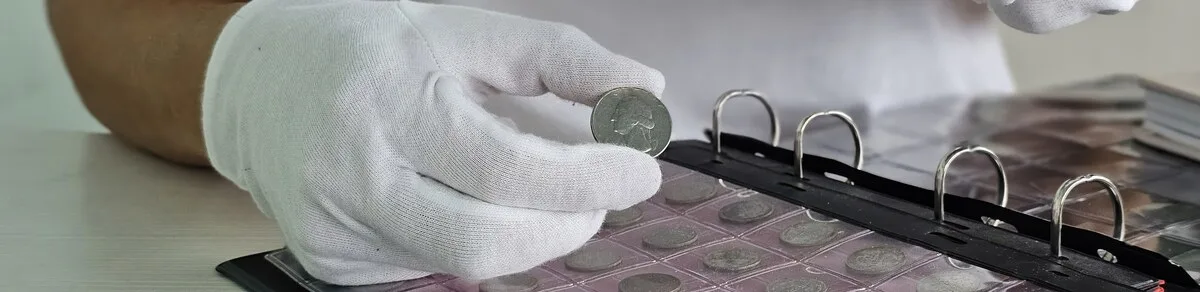
Silver Content and Purity
A coin's fine-silver content is determined by its weight and purity. A one-ounce bullion coin generally contains more silver than a circulated dime or quarter, even when both are genuine silver coins.
Coins with different purity levels should not be valued as though they contain the same amount of silver.
Current Silver Price
The current silver spot price provides a market reference for pure silver. It is not necessarily the amount a buyer will offer for a particular coin.
An offer may also account for authentication, testing, processing, resale demand and any collectible value associated with the coin.
Learn more about how Sell Your Gold calculates an offer.
Coin Type, Date and Mint Mark
The coin series, year and mint mark can affect value. Certain dates and mint marks are scarcer or more desirable to collectors, so two coins with similar silver content may receive different offers.
Condition and Professional Grade
Condition can be especially important for collectible coins. Evaluators may consider:
- Wear
- Scratches and marks
- Luster
- Strike quality
- Surface preservation
- Evidence of cleaning or alteration
- Professional certification and grade
Leave professionally graded coins in their original holders.
Rarity and Collector Demand
Some coins may be worth more than their silver content because of rarity, historical significance, condition or collector demand. These premiums can change as market interest and coin availability change.
Authenticity
A buyer may consider a coin's weight, dimensions, design details, magnetic response and metal composition. Specialized precious-metals verification equipment may also be used when appropriate.
Bullion Coins vs. Collectible Silver Coins
Silver coins generally fall into two broad categories, although a coin can have characteristics of both.
Bullion coins are produced primarily for precious-metal ownership. Their value is generally connected closely to the silver they contain, although recognized coins may also carry a market premium.
Collectible or numismatic coins may be worth more than their silver content. Morgan dollars, Peace dollars, key-date U.S. coins, rare foreign coins and professionally graded coins may require additional review.
A complete evaluation should consider both possibilities rather than valuing every coin only for its silver weight.
| Type of coin | Primary value factors |
|---|---|
| Bullion coin | Fine-silver content, current silver price, authenticity, manufacturer or mint and market demand |
| Collectible or numismatic coin | Date, mint mark, rarity, condition, grade, historical significance and collector demand, in addition to silver content |
How Should You Prepare Silver Coins for Sale?
You do not need to clean, organize or professionally grade your coins before sending them to Sell Your Gold.
Do Not Clean Your Coins
Do not polish or aggressively clean silver coins before an evaluation. Cleaning may scratch the surface, remove original toning or luster and reduce the collectible value of certain coins.
You should also avoid:
- Removing a professionally graded coin from its holder
- Testing a coin with acid
- Filing or scratching a coin to inspect the metal
- Attempting to repair or restore a coin
- Separating a coin from its original Mint packaging
- Discarding certificates, labels or grading records
Keep Available Documentation
If you have original Mint packaging, certificates of authenticity, receipts or grading records, keep them with the coins. These materials may help identify the items, although they do not replace professional authentication.
Create an Inventory if Helpful
You may photograph your coins or make a simple list before shipping them for your records. This is optional; you do not need to identify or grade every coin yourself.
How to Choose a Silver Coin Buyer
Choose a buyer capable of recognizing both precious-metal value and potential collector value.
Compare actual net offers for the same coins instead of relying only on advertised percentages or the current silver spot price.
You can also review why customers choose Sell Your Gold.
Consider:
- Coin and precious-metals appraisal experience
- Authentication and testing capabilities
- Whether date, mint mark, grade and rarity are considered
- Customer reviews and business reputation
- Shipping, tracking and insurance protections
- Return policies
- Fees and payment methods
- The terms behind any payout or price guarantee
How to Sell Silver Coins in 3 Steps
Sell Your Gold provides a nationwide mail-in process for selling silver coins from home.
-
Request Your Free Appraisal Kit
Request a Free Appraisal Kit online. The kit includes instructions, protective packaging, a Customer Return Card and a prepaid, trackable FedEx shipping label.
There is no cost to request a kit and no obligation to sell your coins.
-
Pack and Ship Your Coins
Protect the coins so they cannot move or strike one another during transit. Place them inside a sturdy outer box and use the provided FedEx label.
Do not ship heavy coins or bullion in a mailing envelope alone. Call (888) 465-3860 before sending a heavy, unusually large or high-value collection.
Qualifying shipments include up to $500,000 in insured shipping when the applicable procedures are followed. Review the packing and shipping instructions before sending your coins.††
-
Receive and Review Your Offer
After your package arrives, Sell Your Gold documents, authenticates and professionally evaluates your coins. Your no-obligation offer is sent within 24 hours of receipt.
If you accept, payment is issued within 24 hours using your selected payment method. If you decline, your coins are returned free of charge.
Frequently Asked Questions About Selling Silver Coins
-
Can I sell worn, scratched or tarnished silver coins?
Yes. Sell Your Gold purchases silver coins in many conditions. Wear or damage may affect collectible value, but a coin may still have value based on its silver content.
-
Should I clean silver coins before selling them?
No. Cleaning can scratch or alter a coin's surface and may reduce its collectible value. Leave the coin in its current condition for professional evaluation.
-
Do I need to identify or grade my coins first?
No. You do not need to identify, organize or professionally grade your silver coins before sending them to Sell Your Gold. Leave any already-certified coins in their original holders.
-
How can I tell whether a coin contains silver?
The coin's date, mint mark, weight and design may provide clues, but coins within the same series can have different compositions. Avoid destructive at-home testing. A professional evaluation can confirm the coin's metal content.
-
Are all old or silver-colored coins made of silver?
No. Age and color alone do not confirm silver content. Some coins that look silver-colored contain little or no silver, while certain proof, collector and special-edition versions may have different compositions from circulating coins of the same design.
-
Do you buy 40% and 90% silver coins?
Yes. Sell Your Gold evaluates eligible 40% and 90% silver coins as well as higher-purity silver bullion coins. The offer will reflect the coin's actual silver content and any applicable collectible value.
-
Will I receive the current silver spot price?
Not necessarily. The spot price is a market reference for pure silver, not a guaranteed purchase price for a particular coin. An offer may also consider purity, weight, authenticity, testing, demand and collectible characteristics.
-
Can I sell an inherited silver coin collection if I do not know what it contains?
Yes. You do not need to identify or grade an inherited collection before requesting an evaluation. Keep the coins, holders, labels, certificates and original packaging together when possible.
-
What happens if I decline my offer?
If you decline your offer, Sell Your Gold will return your coins free of charge.
Ready to Sell Your Silver Coins?
Request your Free Appraisal Kit to send your silver coins for professional evaluation.
There is no obligation to accept your offer, and your coins will be returned free of charge if you decide not to sell.
††Shipping coverage, guarantees, eligibility and other requirements are subject to the Terms and Conditions.